

5 Profitable Franchise Businesses You Should Own in 2023

5 Profitable Franchise Businesses You Should Own in 2023

The franchising business model offers numerous benefits for both franchisees and franchisors.

For franchisees, a franchise provides the opportunity to start a business with a proven concept, established brand recognition, and established systems and processes. Franchisees also benefit from the support and guidance of the franchisor, which can include training, marketing, and operational support. Additionally, franchisees can benefit from the economies of scale and purchasing power of the franchisor, which can result in lower costs for goods and services.

For franchisors, the franchising model allows for rapid expansion of their brand, as franchisees invest their own capital and resources into the business. Franchisors also benefit from the marketing efforts of franchisees, which can help to increase brand awareness and reach new customers. Overall, the franchising business model provides a win-win scenario for both franchisees and franchisors, making it a popular and successful business model.

Franchise businesses are a great opportunity for entrepreneurs to start a business with a proven concept, brand recognition, and established systems. With the right franchise, an entrepreneur can enjoy the benefits of being their own boss, while at the same time having the support of a larger organization.

In 2023, there are many profitable franchise business opportunities that are worth considering:

  1. Fast Food: Fast food franchises continue to be a profitable business opportunity in 2023. Quick-service restaurants, such as McDonald’s, Subway, and KFC, are well-known franchises that have been successful for many years. These franchises are especially popular in urban areas, where people are always on the go and looking for a quick, convenient meal.

  2. Retail: Retail franchises, such as 7-Eleven, The UPS Store, and Ace Hardware, are another popular option for entrepreneurs in 2023. These franchises offer a wide range of products and services to customers, making them a great option for those who are looking for a diverse business opportunity.

  3. Health & Fitness: The health & fitness industry continues to grow, making it a great option for entrepreneurs looking to start a franchise in 2023. Popular franchises in this industry include Anytime Fitness, Gold’s Gym, and Snap Fitness. These franchises offer a variety of services, including personal training, group fitness classes, and health and wellness products.

  4. Home Services: Home services franchises, such as The Maids, Mosquito Squad, and Mr. Handyman, are another profitable option in 2023. These franchises offer services such as cleaning, home repairs, and pest control, making them a convenient and affordable option for busy homeowners.

  5. Education: Education franchises, such as Sylvan Learning, Tutor Doctor, and The Goddard School, are becoming increasingly popular in 2023. These franchises offer a wide range of services, including after-school tutoring, summer camps, and preschool programs, making them a great option for entrepreneurs who are passionate about education.

In conclusion, 2023 is a great year for entrepreneurs looking to start a franchise business. With so many profitable options to choose from, it’s important to carefully research and consider your options before making a decision. By choosing the right franchise, an entrepreneur can relish the benefits of having the support of a larger organization while being their own boss.
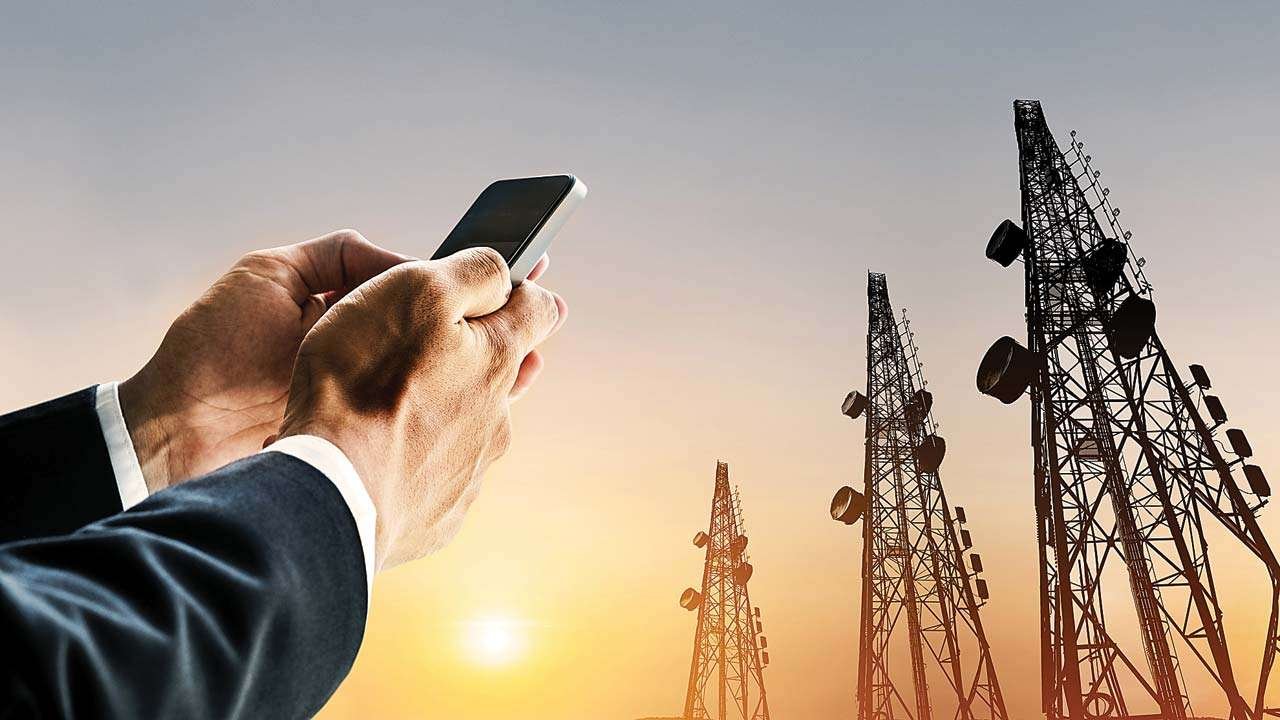
Telecom :Telecommunications or Telecom is the exchange of information

Telecom

Telecommunications or Telecom is the exchange of information or undertaking a conversation over a vast and considerable distance between two or more people, via electronic means. It circumscribes all kinds of voice, data and video transmissions.

It includes all sorts of information-transmitting technologies and communication infrastructures such as wired phones, mobile devices such as cell phones, microwave communications, satellites, fibre optics, radio and television broadcasting, the internet and telegraphs.

A telecommunication set generally comprises two stations: a transmitter and a receiver. A telecom network is considered to be common for transmitting and receiving data. The internet is the largest example of the transmission of data.  Examples include cellar networks, telephonic networks, corporate and academic wide-area networks and broadcast networks.

The Indian economy has an extremely strong telecommunication sector. It is the second-largest telecommunications sector is the world. It has more than 1117.8 million telephone users (including mobiles). India’s internet user base is vast with 778 million people. This figure is continuously rising concerning the riveting increase in the technological advancement of the citizens of the country.

The prominent market players include Jio, Airtel and Vodafone. It cannot be said that the telecommunications sector displays monopolies tendencies as these companies continue to work towards consumer benefits. The telecom sector is the only sector to distinctly depict sustain long-term growth. The latest development in the Indian telecommunications sector is the introduction of 5G coverage. Recently a spectrum auction was held.

With the advent of the wireless revolution in India, communication via the internet has gained a lot of popularity. Applications like Facebook, WhatsApp, Instagram, We Chat have made it possible to communicate with our friends and family without paying any bills.

Telecommunication has glaringly contributed to the Indian economy. It accounts for 6.5% of the Indian Gross Domestic Product. It has made communication extremely simple and cost-effective. People can contact any individual at the click of a button, irrespective of whichever part of the world they reside in. This has made huge contributions to business to the way businesses are run. Telecommunications has also played a noteworthy part in the digitisation of the economy. Huge chunks of data can be transferred within a few seconds. It has strikingly reduced human effort and saved a lot of valuable time.

According to the GSMA, India is on its way to becoming the second-largest smartphone network across the globe by 2025 with around a billion installed devices. India is expected to have 920 million unique mobile subscribers including 88 million 5G subscribers.

5G is set to turn the tables for the Indian economy. It is likely to yield a multitude of economic opportunities and contribute to the economic development of the country. India may unlock 49 billion in the next three years.

Storage

Storage

Storage is defined by the preservation and maintenance of any object in its true form.

Data has assumed a significant role in a business concern and data storage has become essential. Most of the entrepreneurial activities and decisions are based on data analytics. To house this data, proper storage is mandatory.

Data storage is the summation of the methods and technologies that capture and retain digital information on an electromagnetic, optical of silicon-based storage platform or media. Storage has assumed an indispensable role in an enterprise. It is commonly used to describe devices and data connected to the computer through input and output operations.

Data storage is generally measured in bytes. From a single byte to kilobyte, megabyte, gigabyte, terabyte, petabyte and exabyte.

Today, the internet houses an infinite amount of data, there seems to be no end to the amount of information one can store. However, the data must be stored in such a way and in such a place that it can easily be accessed by the entrepreneur.

The world is changing every day. We are moving towards a world that has yielded to the supremacy of technology. During the initial stages, all the files could not be stored on a computer, therefore external devices were used to store excess data. These devices generally included hard disks and pen drives.

With the modernisation of the economy, various new platforms for storing data have come forward. These allow companies to apply machine learning-enabled artificial intelligence to interpret, analyse and derive the maximum amount of benefit from it. There are now provisions for backups. Data can be retained and preserved for an indefinite period in the future. A backup allows you to store data on a database or platform so that it can be accessed at your convenience. If a piece of data is backed up and later deleted from the device, the data will remain there.

Cloud-based storage has gained remarkable popularity. Cloud enables us to store an immense amount of data. There are provisions to store the data in the normal form or a converted form. Other than that, there is network-based storage, data is stored over a network of computers that are subsequently linked to one another. SSD flash drives are another method of storage, that uses flash memory.

The world of data storage is continuously evolving and growing. The latest innovations in storage over various platforms exhibit and promote forward-thinking and comprehensive solutions, that a business requires.

Oracle

Oracle

From Software Development Laboratories to Oracle Systems Corporation, the American multinational company has evolved through several stages. The company mainly deals in database software and technology, cloud engineering systems and enterprise software. Oracle develops a multitude of software such as the Capital Management Software or the Human Resource Management Software. The organisation also deals with designing and selling hardware. Their main aim is to provide ease and assistance to the client in the course of their business.

Oracle introduced its databases in 2004, it was equipped to deploy web-technology applications. This application software was the first mid-tier software designed for web computing.

 It has also included some additional database technologies likes Berkeley which offered embedded database processing, an in-memory database operator called TimesTen, Oracle Essbase which offers multi-dimensional database management and MySQL which is a relational database management system.

The company deals in middleware among its other services. It includes middleware products such as application server, system integration, contact management and business intelligence management.

The oracle corporation also undertook Oracle Fusion Applications which is an enterprise for resource planning software applications. The applications undertake Financial Management, Human Capital Management, Human Resource Management, Governance etc.


Oracle offers a Social Media Engagement and Monitoring System- it helps to gain the most relevant consumer response reports through social media. It analyses the requirements of the consumer for the enterprise.

The most appreciated services of oracle include:

The oracle cloud provides cloud computing services such as storage on databases and networking. It provides Infrastructure as a service (IaaS), Platform as a Service (PaaS), Software as a Service (SaaS) and Data as a Service (DaaS).

Other services offered by Oracle include Oracle Financing, Oracle Human Resource Management, Oracle Support, Oracle Consulting, Oracle Designer and Developer, Oracle Application Express, Oracle Java Development, Oracle SQL Developer, Enterprise Management and Marketing, Oracle E-business Suite among others.

The individuality and the uniqueness of Oracle lie in the fact that they are an all-inclusive database. They have an excellent market presence. Oracle is used by flourishing companies, due to its efficient and adept services. There is a provision of high speed. The portability offered is beyond comparison. It runs on over 20 networking protocols. Oracle keeps the client updated about a new version. It keeps revising the previous versions, to offer the best services.

Oracle has its offices in India as well and India is a notable member of the Oracle family as it provides the second-largest manpower to the company across the globe. Oracle is the leading and undisputed leader of innovation in these trying times.

Nutrition

Nutrition

In simple words, nutrition is the process of obtaining or extracting the food elements required for the process of growth and development of a human body. It is a biochemical procedure that includes ingestion, absorption, assimilation, biosynthesis, catabolism and further excretion. The study of nutrition is known as nutritional science.

Nutrition is primarily classified into minerals vitamins, carbohydrates, fats and proteins.

A person can derive adequate and proper nutrition from a balanced diet. Other than small disadvantages, incorrect nutrition can severely affect a person’s physical health. In case, the food is consumed in very small quantities, a person is likely to be malnutrition or suffer from diseases like Anorexia nervosa, Bulimia nervosa and pica.

Similarly, if a person is consuming too much food they may suffer from eating disorders such as binge-eating or night-eating syndrome. Consuming unhealthy food in large quantities can strikingly deteriorate a person’s health. Fluctuations may arise in their blood sugar levels and blood pressure levels.

 Obesity is one of the most common problems among teenagers today. Most obese children are at risk of heart diseases. In women, obesity may also lead to menstrual complications such as polycystic ovary syndrome or polycystic ovary disease.

The only solution to such problems is meeting the nutritional requirements through proper food and liquids.

Global organisations such as the World Health Organisation and the United Nations International Children’s Emergency Fund have undertaken various prominent campaigns to spread awareness regarding proper nutrition. Ambassadors of these campaigns have visited poverty-struck nations and helped people through various means, to earn enough to supply a two-time meal for the family.


Mental Health

Mental Health

Mental Health refers to the emotional, vocational, environmental, spiritual, intellectual, physiological and social well-being of an individual. It plays a vital role in how we see things, how we react to them, why we react to them, what we feel, why do we feel the way we feel, how we handle stress, why does stress occur, how often does it occur etc.


Mental health is an extremely important part of a person’s life. It deserves equal weightage and attention as physical well-being. A mentally unstable human being is likely to live for a shorter period than a physically unfit individual.

Problems relating to mental health and extremely prominent among young people. A few of the reasons include childhood abuse, trauma, neglect, social isolation, sleep-deprivation and discrimination among others.

Symptoms of mental instability are sometimes undiagnosable. They include anxiety, stress, depression, mood swings, overthinking, fickleness etc. These are generally considered to be a part of normal lives.

When these symptoms advance, they take the form of disorders and can become fatal to human life.

Mental health can significantly affect the physical well-being and capacity of a person. When a person suffers from depression, his or her diet is significantly affected, either the person starts consuming food in huge quantities or the individual stops consuming food. Both these situations harm the person. For those suffering from problems such as anxiety or stress, fluctuations are observed in the heart rate and blood pressure levels. These fluctuations can lead to complications such as heart diseases, strokes, neurological disorders or can induce a cardiac arrest. People suffering from mental health issues are likely to take a longer period to recover from physical diseases.

Similarly, physical health may also affect mental health. A person who has been suffering from a disease may become irritable and rude due to constant neglect. A person who too fat or too thin may go into depression because of his or her weight.

The Covid-19 pandemic has had a lasting impact on the mental health of the people. The cases of depression and anxiety severely increased. People who stayed alone had no one to talk to, it became difficult for them to survive without their families. Bereavement, loss of income induced mental health conditions among the people.

Meditation is an effective solution to mental disorders. It is said to help a person cope with his or her problems by calming the mind. Eating and sleeping on time is also considered to be extremely helpful. A balanced diet keeps a person physically healthy which increases the chances of a healthy mental state. Proper sleep schedules help to sustain healthy living.

The most prominent solution to mental health issues is communication. If a person can communicate or share his problems with another individual, the chances of curing the problems are increased. Thus, communication is vital.


IT Services

IT Services

IT or Information Technology services refers to the application of business and technical acumen to help organisations create, access and modify information during the business.

IT services play an exclusive role in the inception of a business and its smooth operation. ‘IT services’ is a vast phrase that encompasses a multitude of topics from Data backup and restoration, Firewall services, Cyber Security, Business Intelligence, Anti-Virus Protection to Data Analytics among others.

These services are generally managed in-house in small or medium-sized firms. However, Multinational Companies or Large-cap companies generally opt for a third party to undertake these services for them.

Enterprises and organisations that have a huge client base usually avail of such services to ensure a systematic and effortless operation of their business. The data collected by these services are used to make strategic moves in the market that contribute to their success as an enterprise. It has become easier to track consumer behaviour and respond to it in a lucrative manner, with the help of IT.

Information Technology gained popularity due to data overload. Companies found it extremely difficult to assess and make observations and plans for the coming years without having to deal with large chunks of unsorted data and crunching the numbers. It was then that IT services came to their rescue.

These services have revolutionised and changed how business is done. They have made it easier to store, access and work with data. Today businesses are severely relying on these factors to face various challenges such as security, data management and virus protection.

They are extremely cost-reducing, as the price range is similar to the costs incurred in maintaining an in-house team. Since IT services are usually availed in packages, the cost of each service is significantly low. They have proved to be significantly profitable. It is a small investment that guarantees high returns.

 The efficiency of the employees is accelerated. The service providers hire professionals who micromanage every aspect of the business. The productivity of the workforce is also increased as the workload decreases. Therefore, better results are provided by the team. Cloud-based storage has now become increasingly accessible to the general public.

The business gains a competitive advantage against the other firms in the market, as a lot of workloads is reduced. This allows you to focus on the important parts such as maximising sales and minimising risks in the business.

It has also enabled outsourcing and collaboration options which allows a business to develop relations with other firms within and outside the country.

Information Technology has now become a crucial element in the economic structure of the country. With the extensive lobbying for data, it has become essential to protect your data and files from abductors on the web. It is believed that by 2030, 80% of the revenue generated by large-cap firms will be due to AI and IT. The IT industry has been the best-performing industry in the country over the past five years.

Healthcare

Healthcare

If the COVID-19 pandemic has taught us anything, it is the importance of healthcare.

Breaking down the word simply, healthcare means taking care of your health. It is the organised provision of medical care to an individual or a community through medicine and pharmacy.

Health care does not only comprise physical well-being. It encompasses mental well-being as well. Mental health is a serious and prominent issue in today’s world. A large number of people suffer from depression, anxiety and isolation. A good health care system in a country seeks to provide relief to citizens suffering from either of the problems.

An efficient health care system in an economy can significantly contribute to the economic development and industrialisation of the economy. The health care sector is a major part of a country’s infrastructural facilities.

The healthcare infrastructure mainly comprises the advancement of the country in the field of mental and physical well-being. It is determined by the life expectancy of a sick person and the death ratio in the country. The infrastructure comprises hospitals, pharmacies, clinics, vaccination programs, clinical trials, sanitation facilities, doctors, surgeons, nurses and specialists. An important factor to determine the quality of health-related services in the country is to observe the life expectancy of a person who has undergone medical treatment.

India ranks 47th in the healthcare index. This may be because the health care facilities in the country are managed by public authorities. With the large extent of the population of the country, ensuring the free provision of health care services to every citizen is an extremely difficult task.

The Indian government has also established public hospitals in cities which can be accessed by people who belong to villages and fall below the poverty line, these people do not have the resources to pay for medical treatments. The doctors who work here receive their pay from the government. However, the services provided and equipment used by these hospitals and medical clinics are not very good. The poor quality of these services may be credited to the inadequate allocation of funds by the government to the health care sector.

The pandemic has driven a great deal of attention to the health sector. The government is finally understanding the importance of immunity and the well-being of the citizens in the country. As part of the economic relief package proposed by the government, the finance ministry has pledged 2.6 billion to the infrastructure of the health sector. Apart from that, the government has remembered to make huge provisions towards the health sector in the union budget of 2021-22 as well. It has allotted 2.83 lakh crores and 35,000 crores for the Covid-19 vaccination procedure.

Enterprise Resource Planning

Enterprise Resource Planning

ERP is an acronym for Enterprise Resource Planning. It refers to software and systems used to plan and manage the core supply chain, manufacturing, services, financial and other necessities of the enterprise. It is a consolidated process of gathering data for an enterprise through an integrated software suite. This data is then used to track consumer behaviour and implement various strategies to boost the business.

It includes various applications which automate business functions and operations like production, sales, quoting prices, accounting among others.

It focuses on managing the office and automating business functions. The make the data more accessible and make it convenient for the employees to use to the firm’s advantage.

ERP tools share a common process and data model, covering broad and deep end-to-end processes, such as those found in Finance, Human Resource, distribution, manufacturing services and the supply chain. The main purpose is to increase or boost organisational efficiency by improving managerial proficiency.

Today, most organisations and companies are depending on ERP. This is primarily due to its perspicacity and its simplified structure.

ERPs have gained the accreditation they deserve due to several factors. It is notably reducing inventory costs, the software manages the records, thus, the cost of assigning an employee for that particular cost is diminished. It provides distinct coordination between the supply chain and the warehouse. An ERP platform will oversee the functioning of the two and point out inventory issues in time.

It efficiently manages Human Resource by speeding up all those administrative and data storage challenges that the human resource department may face. It provides role-tailored dashboards that are easily configured for each employ. Thus, it increases the quality of work by eliminating any confusion or reason for chaos.

As managerial proficiency is introduced into the system, the day-to-day operations are highly simplified. A healthy relationship is formed between the employer and employee. Therefore, the quality of the product or service and subsequently the sales is increased.

Some of the prominent Enterprise Resource Planning platforms include SAP Business One, Microsoft Dynamics and Odoo.

The ERP software market is huge and predicted to rise further in the future. The industry is expected to rise to USD 71.68 billion by 2026, depicting an increase of 8.5% Its current market share.

The COVID-19 pandemic has increased the use of Enterprise Resource Planning platforms. The lockdown resulted in a lack of physical coordination between the employers, managers and employees. This resulted in losses. There were mass layoffs. The position of the mangers and inventory staff has been assumed by these platforms. They have played a vital role in helping businesses regain their position in the market.

Retail

Retail

The most convenient yet lucrative way of retail trade. Retail refers to the selling of good, purchased from a wholesaler to the final consumer in small quantities. Retail trade is undertaken by businessmen who are known as retailers. 

India ranks second in Global Retail Development, with 1.3 billion people. Its revenue accounts for 8% of the economic development in the country. The Indian Retail Industry is one of the most promising and fastest-growing markets in the country. Its growth rate is exemplary. Retail businesses in the country, essentially include grocery, pharmaceuticals, beauty products etc. Reliance Industries is the largest retailer in the country. 

This industry has evolved through various stages since 2003. From owner-manned shops to extensive online purchase. Implementing Foreign Direct Investment in the country, notably conferred on the prosperity of the retail sector of the economy. The policy brought in a variety of goods that sped up the competition in the markets, providing the consumer with multiple options. 

Retail in India depends not only on departmental stores and shopping malls. With the cosmic escalation in using technology in every household, online shopping through various e-commerce portals has significantly contributed to the retail industry. Consumers now prefer to select and purchase their desired products online rather than resorting to malls to purchase them. Discounts and price reduction is some of the chief factors that have furnished the growth in the retail sector. 

Other than that, Artificial Intelligence also plays an important role in determining consumer behaviour. AI has had a developing impact on the retail industry, which is expected to quadruple sales in the coming years. Advertising, income levels, acceptance towards technology, quality expectancy rank among other important factors that affect retail businesses in the market. 

The retail industry underwent substantial losses because of the outbreak of the Covid-19 pandemic. The outbreak also prompted panic buying among the people. Due to the lockdown, the sales graph drastically fell, which led to the lowest revenue figures ever recorded. Thus, modern retail groups such as Future Group, Shoppers Stop, Aditya Birla Fashion & Retail approached the government for minimum 50% wage subsidies. 

However, the post lockdown period was graced by a boom in this industry, consumption touched high figures. The business has proliferated by 80% when compared to the lockdown lows. The sudden boom has also led to an increase in the demand for warehouses in the country.